
FOR PARENTS & CAREGIVERS
Why does everything fall apart when they get home?
They hold it together all day. They follow rules, keep it pushing, manage people, noise, expectations and demands.
Then they walk through the door and everything comes out.
It's not about being rude or manipulative. It's usually about survival-and they've finally reached a safe enough place to unlock.
Home is often the only place they feel safe enough to let go.
Explore our range of services designed to help you move forward
with confidence, wherever you're headed next.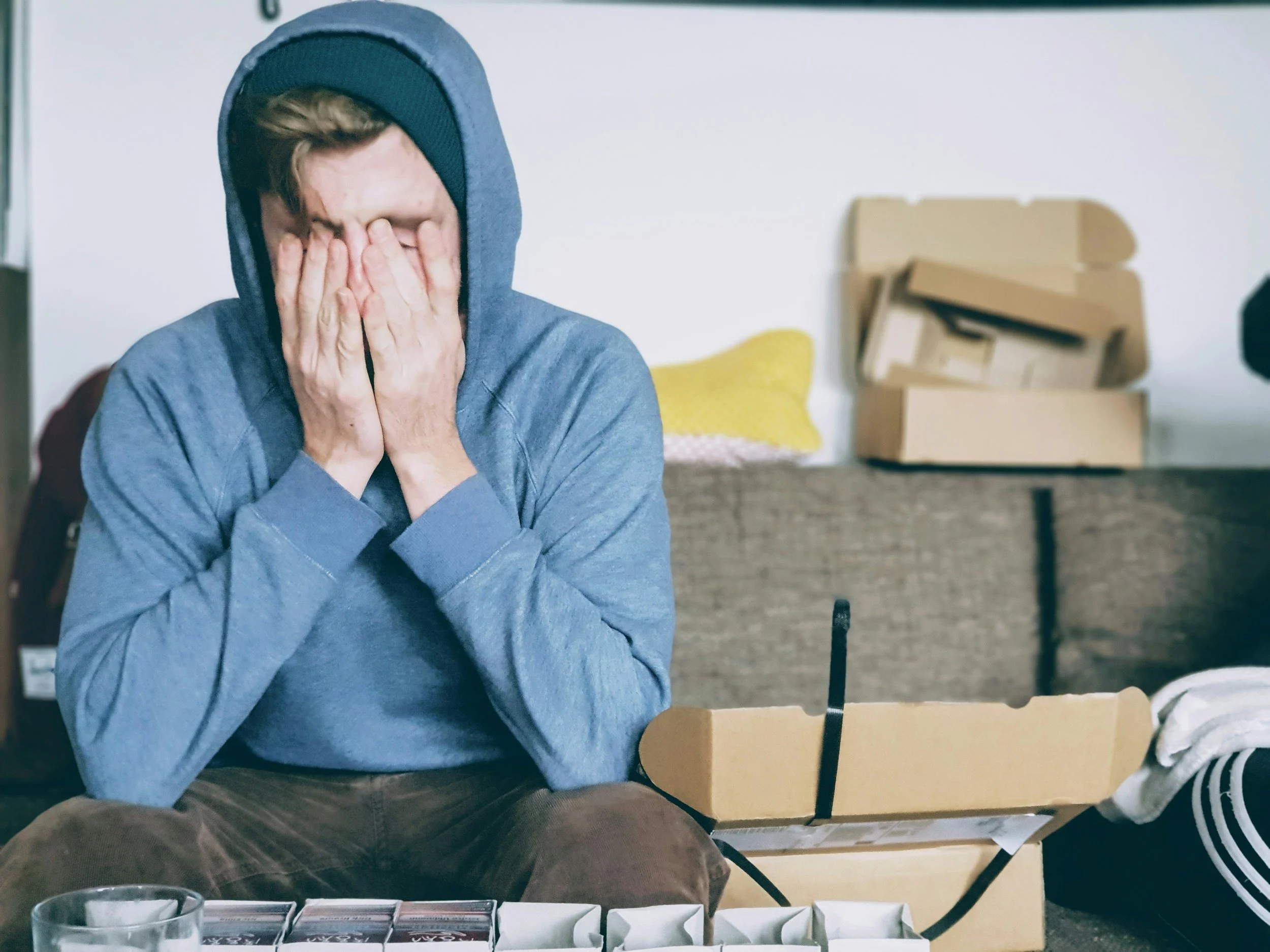
What’s really going on?
Many young people use enormous energy to cope at school, in public or with others. By the time they get home, they have nothing left for the small things.

Energy is completely depleted
They've been managing all day and have nothing left in the tank.

Masking comes off
They no longer need to hold it together, so their true feelings come out.

Stress response kicks in
Built-up stress eventually bursts often
as meltdowns or shutdowns.

Home feels safe
It's often the only place they feel safe enough to release pressure.
Sensory & emotional overload

It's often the only place they feel safe enough to release pressure.

Transitions are hard
Moving from a structured day to an unstructured environment is hard
which parts feel most familiar?
-
Some young people spend the whole school day concentrating on what is expected of them.
They manage their reactions, follow instructions, tolerate discomfort, navigate other people and try to avoid getting into trouble.
From the outside, they may look like they are coping.
But coping can take a lot of energy.
When they get home, the effort of holding everything together is no longer sustainable.
What looks like “falling apart” may actually be the point where they finally stop holding it all in.
-
A young person may behave very differently at home than they do at school.
This can be confusing, especially when school reports that everything seems fine.
But people often show their biggest emotions in the places and relationships where they feel safest.
Home may be the place where they no longer have to monitor themselves so closely.
That does not mean home is causing the problem.
Sometimes home is simply where the accumulated stress finally becomes visible.
-
School can involve hours of noise, movement, lights, smells, crowded spaces, uncomfortable clothing and constant physical proximity to other people.
A young person may tolerate this during the day because they have to.
By the time they get home, their ability to cope with additional sensory input may be very low.
A simple request, a sibling making noise or being asked to change clothes can suddenly feel enormous.
The last demand is not always the biggest demand. It may just be the one that arrives when there is nothing left.
-
School requires constant planning, remembering, shifting attention, following instructions, making decisions and starting tasks.
These skills use energy.
When a young person gets home, they may have very little capacity left for homework, chores, showering, conversation or deciding what to eat.
What looks like refusal may actually be:
“I cannot organise myself to do one more thing right now.”
Rest and recovery may need to come before more demands.
-
Leaving school does not automatically mean the school day is finished in their nervous system.
They may still be thinking about something that happened, replaying a conversation, worrying about tomorrow or trying to shift from one environment to another.
Then home immediately introduces new expectations:
Take your shoes off.
Tell me about your day.
Do your homework.
Have a shower.
Come to dinner.Sometimes the transition itself needs more space.
They may need time to arrive home before they are ready to participate at home.
-
Sometimes the explanation is less complicated than it appears.
A young person may have eaten very little, drunk very little, spent hours concentrating and had almost no genuine downtime.
By the afternoon, their ability to tolerate frustration may be dramatically reduced.
This does not make their behaviour meaningless.
It gives us useful information about what their body and brain may need.
Before asking “How do we stop the meltdown?”, it can help to ask, “What have they run out of?”

you don’t have to manage it alone.
Together, we can figure out what's really going on and build strategies that support your whole family—so home can feel safer and calmer for everyone.
When a young person finally feels safe, that's when everything comes out.Our job is to understand, not judge and build a better way forward together.